
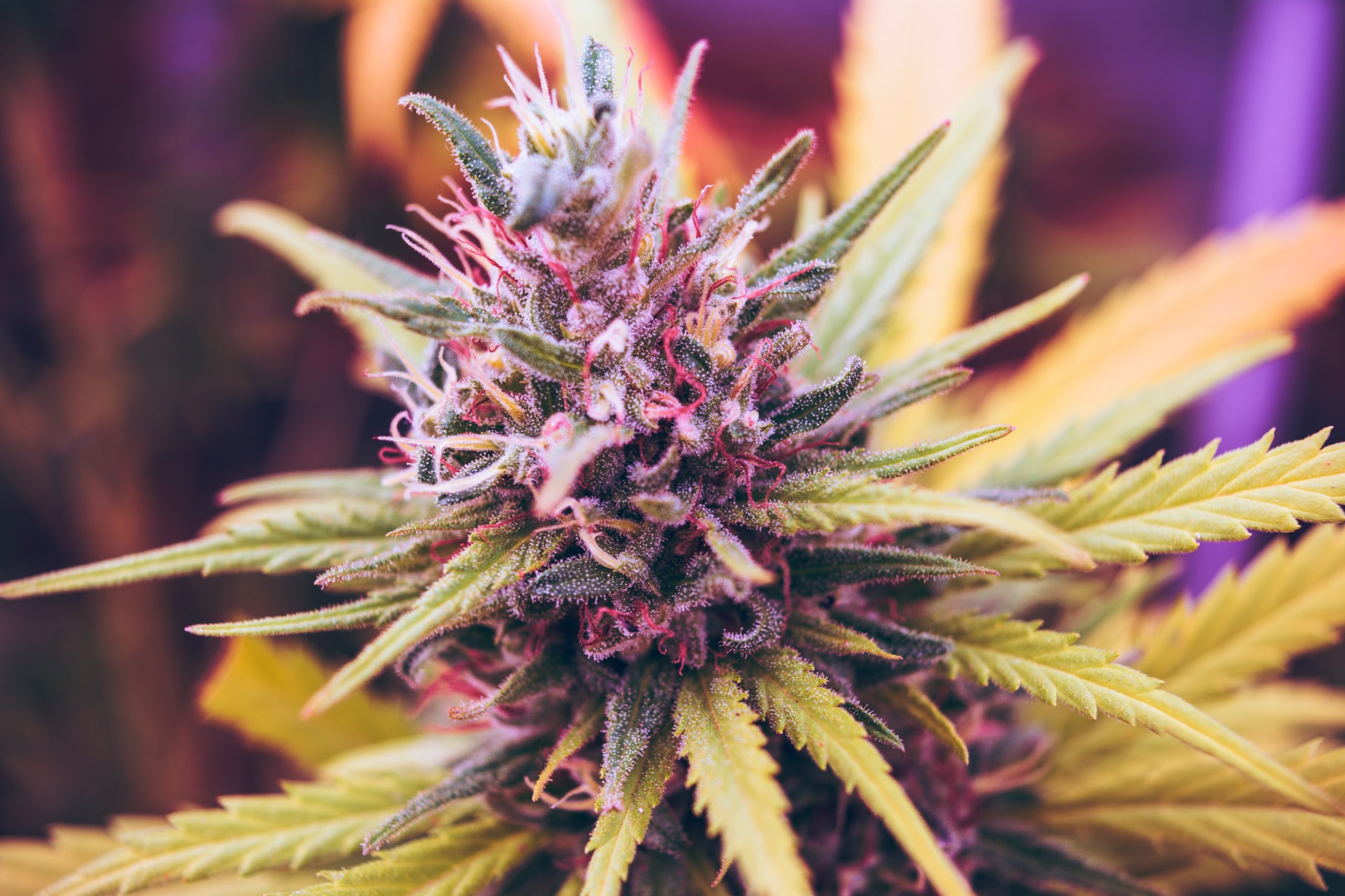
It is 2024 and one of the major cannabis industry trends is continuous growth, showing no signs of slowing down. In my opinion, it is one of the fastest-growing spaces in the world today.
This fast growth comes with ever-changing dynamics from regulations in the industry, operations, and product innovation to supply chain issues. To keep up with the pace of the changes, leverage them, and make a profit, you must anticipate the trends.
In this article, we look at some of the major trends that you can expect in cannabis this year and some key things to look out for in each of these trends.
Regulatory Landscape
The regulations that govern cannabis are constantly changing. We are seeing more and more countries legalizing marijuana and loosening their grip on the industry. This is offering more leeway for cannabis businesses.
However, despite increasing legalization, regulatory challenges are a cannabis industry trend that will persist. Expect continued shifts in regulations as governments refine policies. For instance, keep an eye on states like Texas and New Jersey, which are showing signs of adjusting their cannabis laws. More states will likely modify existing regulations to accommodate the evolving industry.
Anticipate a continued trend toward cannabis legalization, but the pace will vary by region. Pay close attention to federal developments in the United States, where momentum is building for comprehensive cannabis reform.
Market Consolidation as a Cannabis Industry Trend in 2024
Brace for more mergers and acquisitions. Large players are consolidating power, and small businesses need to adapt. This Cannabis industry trend, exemplified by the recent merger of major cannabis companies, demonstrates the industry’s move toward consolidation for increased market share.
Significant Mergers in The Last 3 years
Here are some significant mergers that shaped the marijuana industry in the last 3 years.
Tilray and Aphria (2021)
In December 2020, Canadian cannabis companies Tilray and Aphria announced their plans to merge, creating one of the world’s largest cannabis companies. The merger was completed in May 2021, forming a new entity called Tilray.
Curaleaf and Grassroots (2019-2020)
Curaleaf acquired Grassroots in July 2020. The deal expanded Curaleaf’s footprint and solidified its position as a major player in the U.S. cannabis market.
Acreage Holdings and Canopy Growth (2019)
In April 2019, Canopy Growth and Acreage Holdings announced a conditional agreement that would grant Canopy the right to acquire Acreage upon the federal legalization of cannabis in the United States. While the full merger is contingent on regulatory changes, the deal represented a significant strategic move in anticipation of U.S. federal legalization.
Jushi Holdings and Beyond/Hello (2020)
Jushi Holdings, a multi-state cannabis operator, acquired Beyond/Hello, a retail-focused cannabis company, in 2020. The acquisition allowed Jushi to expand its presence in key U.S. markets.
The consolidation trend might intensify as major players seek strategic partnerships to strengthen their market presence. Small and medium-sized businesses should consider collaborations or niche specialization to remain competitive amidst the industry giants.
Emerging Cannabinoids
Beyond the dominance of THC and CBD, anticipate a surge in interest in lesser-known cannabinoids like CBG, CBN, HHC, and THCV. As research expands, so will the understanding of the unique properties and potential applications of these compounds.
Cannabinoids like CBG (Cannabigerol) are gaining attention for their potential anti-inflammatory and neuroprotective effects, while CBN (Cannabinol) is being explored for its sedative properties.
Cannabis Industry Trends in Emerging Cannabinoids and Their Potential Uses
| Cannabinoid | Potential Uses | Consumption Methods | Notable Companies Researching |
| CBG (Cannabigerol) | Anti-inflammatory properties
Neuroprotective effects Potential in glaucoma treatment |
Smoking or vaporization of CBG-rich strains
CBG-infused oils and tinctures |
GW Pharmaceuticals |
| CBN (Cannabinol) | Sedative properties
Potential for sleep aid Antibacterial effects |
Smoking aged cannabis flower (as THC degrades to CBN over time)
CBN-infused edibles and capsules |
Radient Technologies |
| THCV (Tetrahydrocannabivarin) | – Appetite suppression
Potential in diabetes management Neuroprotective effects |
Smoking THCV-rich strains
THCV-infused products like edibles and tinctures |
Cannabics Pharmaceuticals |
| CBC (Cannabichromene) | Anti-inflammatory properties
Potential antidepressant effects Neurogenesis stimulation |
Smoking or vaporization of cannabis strains high in CBC
CBC-infused topicals and creams |
Vitality Biopharma
Elevate Health Sciences |
| Delta-8 THC (Delta-8 Tetrahydrocannabinol) | Mild psychoactive effects
Anti-nausea properties Potential appetite stimulation |
Smoking or vaporization of Delta-8 THC-rich strains
Delta-8 THC-infused edibles and concentrates |
Delta Munchies |
| HHC (Hexahydrocannabinol) | – Similar effects to THC, but less potent | Typically consumed in the same ways as Delta-9 THC | Research in HHC is still emerging, and notable companies are not widely established. |
Note: Research companies listed may not exclusively focus on the mentioned cannabinoids but are known for their contributions to cannabinoid research and development.
This cannabis industry trend requires companies to invest in the research and development of these lesser-known cannabinoids to unlock new market opportunities.
Product Innovation

Product innovation will continue to be one of the main cannabis industry trends for the foreseeable future. The race for innovation is relentless. Companies that focus on product development, such as creating unique delivery methods or novel infused products, will likely capture consumer interest. Expect to see more cutting-edge products hitting the shelves. I know I wouldn’t mind a cannabis patch, am just saying.
This may include technology-infused products, precision-dosed edibles, and even non-inhaled methods of consumption like sublingual strips. Companies will invest in research and development to bring novel and high-quality products to market.
Global Expansion is a Major Cannabis Industry Trend
Keep a lookout for international market developments. As more countries legalize cannabis for medical or recreational use, opportunities for global expansion will arise. Companies prepared to navigate international regulations can gain a significant edge.
Keep an eye on international markets where cannabis regulations are evolving. Countries like Mexico, Germany, and Australia are undergoing significant changes in their cannabis policies.
The African continent is also of large interest especially for cannabis cultivators because of its weather patterns and rich farmlands. We anticipate that more countries will legalize the plant for its economic benefits.
Businesses with the foresight to establish a global presence will take advantage of this cannabis industry trend and might position themselves as leaders in emerging markets.
Technological Advancements
Automation and technology are becoming game-changers. From cultivation to distribution, expect an increased integration of technology to enhance efficiency and reduce costs. Automated cultivation systems and blockchain for supply chain transparency are prime examples.
Automated cultivation systems, equipped with AI and IoT capabilities will optimize growing conditions and maximize yield. Blockchain technology enhances transparency in the supply chain, assuring consumers of product authenticity and adherence to quality standards.
Other Notable Technological Advancements in Cannabis
- LED Lighting Systems
- Precision Agriculture Technologies
- Extraction Technologies
- Seed-to-Sale Tracking Systems
- Cannabis Genome Sequencing
- Smart Greenhouses
- Cannabis Testing Technologies
- Cannabis-Based Pharmaceuticals
Environmental Sustainability
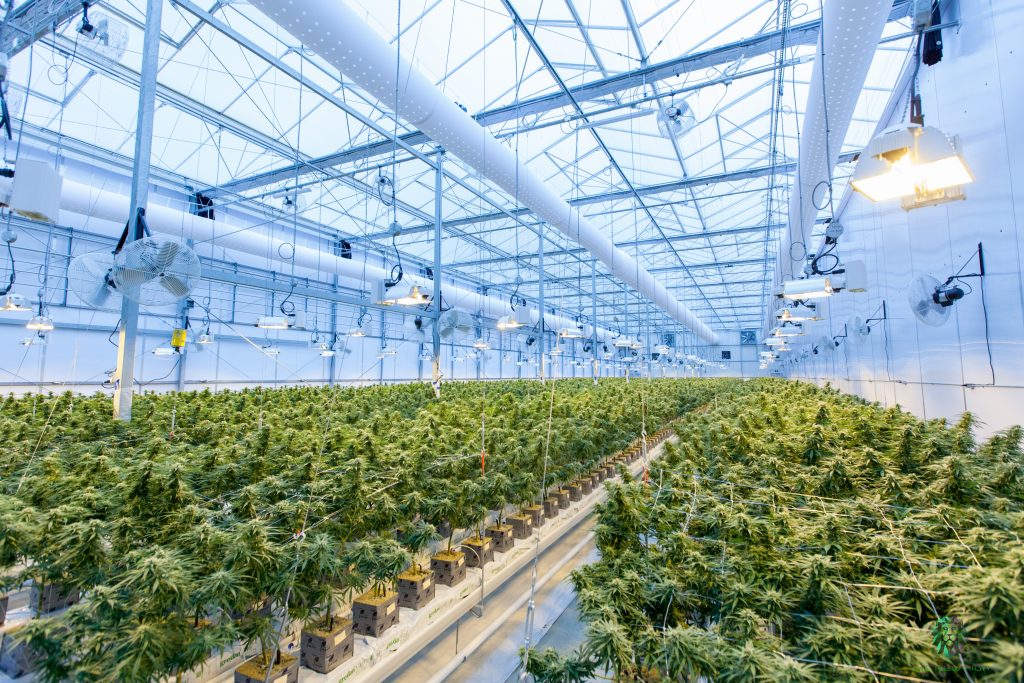
The cannabis industry is under scrutiny for its environmental impact. Businesses that prioritize sustainable practices will likely gain favor among consumers and regulators.
Sustainability is no longer a buzzword; it’s a necessity. As the cannabis industry faces increased scrutiny for its carbon footprint, businesses should adopt eco-friendly practices.
From energy-efficient LED lighting in cultivation facilities to compostable packaging, sustainability initiatives not only appeal to environmentally conscious consumers but also align with evolving regulatory expectations. A great example of sustainable cultivation and packaging is Sol Spirit Farm.
Diversification of Cannabis Consumption Methods
Consumption methods will continue to diversify, this is a cannabis industry trend that will feed into consistent innovation. While smoking remains prevalent, alternatives like edibles, beverages, and topicals are gaining traction. Businesses should adapt product lines to cater to evolving consumer preferences.
Some great companies to look out for when it comes to alternative consumption methods.
Focus on Branding and Marketing Compliance
Stricter regulations demand a heightened focus on compliant branding and marketing. Successful companies will navigate the balance between building a strong brand identity and adhering to the evolving advertising regulations in the cannabis space.
The Major Branding and Marketing Regulations
- Age Restrictions
- Health Claims
- Packaging and Labeling
- Advertising Restrictions
- Prohibition of Marketing to Minors
- Social Media Restrictions
- Brand and Logo Restrictions
- Location-Based Restrictions
- Anti-Diversion Measures
- Event Sponsorship Limitations
Successful businesses will find innovative ways to build a brand identity within these constraints, leveraging compliant storytelling, educational content, and strategic partnerships to connect with their target audience.
Supply Chain Challenges
The cannabis supply chain will face disruptions. Companies should prepare for potential challenges related to sourcing raw materials, distribution bottlenecks, and fluctuating demand.
The cannabis supply chain is susceptible to disruptions, ranging from weather events affecting cultivation to regulatory changes impacting distribution.
10 Main Supply Chain Challenges You May Face
- Regulatory Uncertainty
- Quality Control and Testing
- Security Concerns
- Limited Banking Access
- Cultivation Risks
- Supply Chain Disruptions
- Fluctuating Demand
- Competition for Resources
- Testing and Compliance Costs
- Lack of Standardization
Companies should implement robust supply chain management strategies, including contingency plans for sourcing, production, and distribution, to navigate challenges and ensure product availability.
Get Ready for A Great Year
The cannabis industry trends in 2024 are characterized by dynamic changes and opportunities. By staying abreast of regulatory shifts, embracing technological advancements, and strategically positioning yourself in emerging markets, you can navigate the complexities and unearth amazing opportunities.
The key lies in adaptability, informed decision-making, and a commitment to innovation. If you need an expert cannabis writer who is dialed into the industry and all its dynamic changes then try Karen Maina. I will walk with you in creating great cannabis content from SEO blog articles to e-books, white papers, and emails that will keep your audience engaged and informed.
0 Comments